In 2026, the PPN began hosting monthly peer support sessions for PPN Representatives and Secretariat members. The first session took place online in January 2026 and was led by Dr Robbie Sinnott. He delivered a short presentation on accessible electronic documents. This was followed by a brief networking session and a question and answer discussion.
The February session focused on how to make a podcast and was delivered by SPC Representative Brian Greene. Brian outlined key elements of podcast production, including storytelling techniques, voice development, and technical requirements. Participants took part in a practical exercise where they described objects to practise audio description skills. The session explored how to structure a clear narrative, how to engage listeners, and the differences between audio and video podcast formats. Robbie Sinnott also contributed to the discussion, highlighting accessibility challenges associated with podcasting technology, particularly for blind and partially sighted users.
After lunch, participants met in their pillar working groups.
The PPN is a network of member groups and organisations aligned under three pillars: community and voluntary, social inclusion, and environment. The pillar working groups were established in 2025 to support SPC and LCDC Representatives. They provide a space for Representatives from different committees to share information, coordinate work, and strengthen links between committee work and the wider PPN membership.
To date, the pillar working groups have met both in person and online. They are still in the early stages of development and continue to define their priorities and working methods.
In terms of next steps, the Social Inclusion Pillar Working Group is focused on a motion submitted to the Mobility and Public Realm SPC concerning the provision of accessible documents for SPC meetings. Members agreed this remains a priority.
The Environment Pillar Working Group needs to prioritise its list of proposed actions in advance of appointing a new consultant facilitator. The tender process for this work is currently under review. It was noted that future tender documents should, where possible, offer two-year contracts rather than annual arrangements. Although contracts would remain subject to funding, longer terms would provide greater continuity.
The Community and Voluntary pillar working group is very closely attached to Representatives who also sit on the Local Community Development Committee (LCDC), which was the focus of much work in 2025. However, the list of priorities for the Community and Voluntary pillar working group include active travel, community safety, green and play spaces, the nighttime economy, and spaces for arts and cultures.
It was also agreed that PPN staff should continue to circulate information about funding opportunities for member groups. While the PPN has not committed to seeking additional funding in 2026, sharing relevant opportunities remains important. The annual budget is approved by Plenary each November for the following year.
Representatives were encouraged to keep their member groups informed about core PPN work and to update PPN staff regularly so information can be shared through the Bulletin and social media channels. Building connections across pillars was also emphasised.
Closer collaboration within pillar working groups will help Representatives strengthen their contributions to SPCs. The next Peer Support Session for Representatives and Secretariat will take place on the last Tuesday of March. Everyone was quite tired at the end of the day, but informal feedback was that the day at Clontarf Castle Hotel was interesting, engaging and encouraging.
More of this on the way.
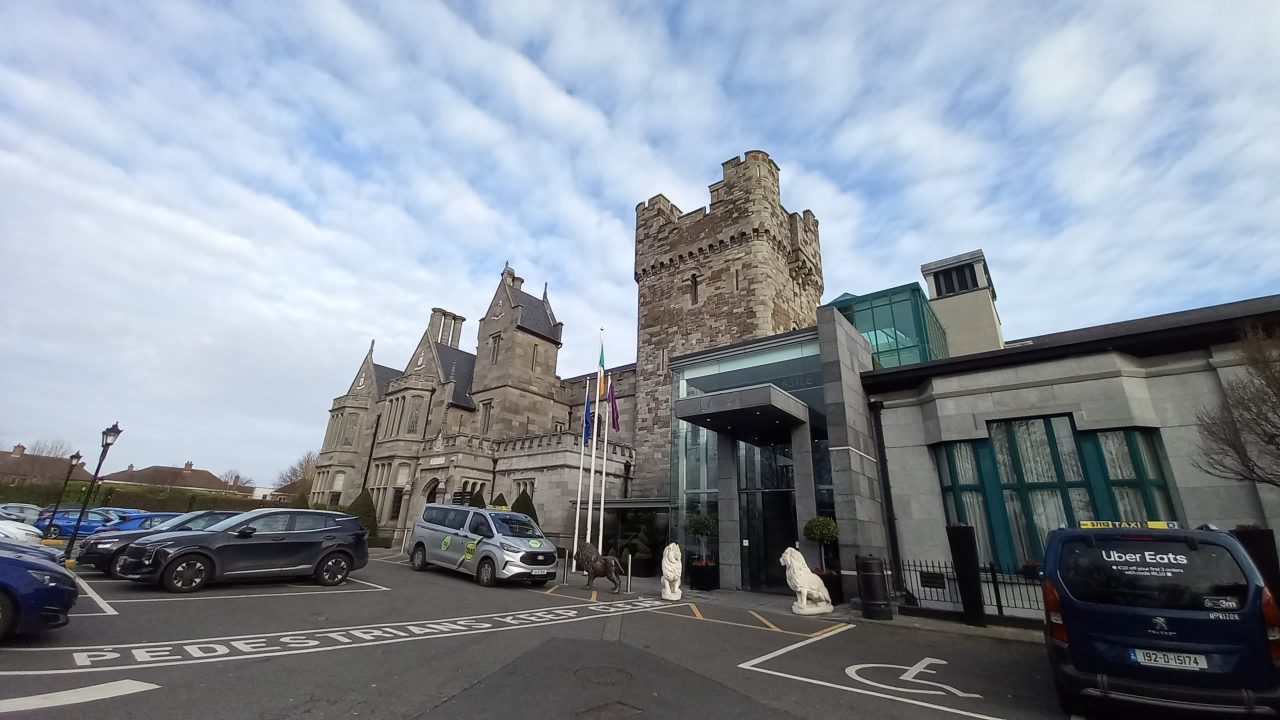
The photograph at the top of this article is of the outside of Clontarf Castle Hotel.
Related
Environmental Pillar Working Group Social Inclusion Pillar Working Group Community and Voluntary Pillar Working Group